Wednesday, February 2, 2022

APH sites to close Feb. 3 & 4


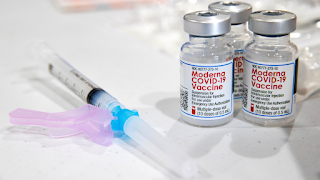
Austin Public Health COVID-19 testing and vaccine sites will be closed on Thursday, Feb. 3, and Friday, Feb. 4, due to anticipated inclement weather.

Patients with appointments on those dates have been notified.

Stay weather aware. Make sure your household is prepared. Plan to minimize travel during inclement weather. If you need to be on the roads, slow down. If you need to be outside, take precautions.

Tuesday, February 1, 2022

Austin Prepares for Winter Weather Impacts to Roads, Travel


The Austin Public Works and Austin Transportation departments have mobilized crews to monitor and respond to local streets and bridges ahead of forecasted precipitation and freezing temperatures. This week’s event is not expected to be as impactful as Winter Storm Uri in February 2021, however hard freezes, cold wind chill values and a potential wintry mix of precipitation are all possible beginning Wednesday night and into Thursday morning.

Preparing and Monitoring Roads and Bridges
Crews from Public Works will be monitoring street conditions 24 hours a day beginning Thursday, Feb. 3 through Saturday, Feb. 5. Preparations of equipment and supplies began earlier this week as the initial weather forecast was taking shape. These efforts include loading dolomite—which is a rocky sand mixture—into trucks with spreaders that will treat icy bridges and key roadways as needed. Crews will be proactively inspecting roadways and bridges/elevated surfaces, including taking surface temperatures.

Public Works' crews will also be available to respond to winter weather-related 3-1-1 requests, including removing tree limbs or debris blocking the right-of-way and ensuring access for emergency service vehicles along Austin’s roadways.
 
Travel and Preparedness Tips
The Austin Transportation Department is also monitoring streets and signal operations through the Mobility Management Center. ATD advises residents to avoid traveling, if possible, during inclement weather conditions, and to take steps to travel safely if you do have to be on the roads. Go to ReadyCentralTexas.org to get tips on how you can follow four steps to get better prepared.

Steps you can take to travel safely include: drive slowly, avoid elevated areas such as bridges and overpasses, allow for more time at stoplights, increase your following distance to 5 to 6 seconds, refrain from sudden braking or accelerating, be extra vigilant when looking for pedestrians, cyclists and other vulnerable individuals, and never text while driving.

Keep in mind that sidewalks can also become slick with freezing precipitation which can be hard to see. Use caution when walking on sidewalks to avoid a dangerous fall. There doesn't have to be ice on the road for there to be ice patches on sidewalks.  
  
Residents who need to report traffic light outages, road damage or any other weather-related concerns, may do so by contacting Austin 3-1-1 via phone (dial 3-1-1 or 512-974-2000) or the Austin 311 mobile app. Austin Transportation will be providing updates in case of an emergency on the department’s Facebook and Twitter channels. 

Households Encouraged to Prepare for Weather Events and Other Disasters


  Families should make a plan and build a seven-day emergency kit

Following the announcement of a Winter Weather Watch for Austin for later this week, the City of Austin is sharing information on how households can best prepare for an emergency, whether it’s a winter storm, flood, wildfire, hurricane or any other events that may involve power or water outages, or requests for families to shelter in place.  

Ensuring households are prepared to protect themselves and their loved ones is the best way to have a big impact on the community’s safety and recovery in a crisis.  

As part of the City’s Ready Central Texas campaign, households are being urged to keep enough critical supplies and resources at home to be self-sufficient for seven days.   

“Preparing for disasters is an essential activity for everyone,” said Juan Ortiz, Director for the City of Austin’s Office of Homeland Security and Emergency Management. “Preparing does not have to happen all at once. Take simple steps to acquire and identify supplies you and your family currently own and will need during a disaster. If you need to purchase things, you can do that over time. We need as many people to prepare as possible so the City of Austin can help those who cannot prepare.”  
  
Make a Plan
Families should discuss how they will respond, stay informed, and contact one another during emergency situations where key services like electricity, water, or first responders may not be readily available. Once an initial plan has been created, families should make it a point to discuss the plan at least once a year and make updates as needed.  
  
A family emergency plan should include identifying responsibilities for each member of a household, designating a place to meet if family members are separated, and creating a plan to contact each another if you are unable to meet or get separated during a crisis. Identify an out-of-area contact to communicate that you are safe and to learn the status of other family members and keep public safety phone numbers in a place where you can easily find them.  

Build an Emergency Kit
Having basic supplies on hand can make a disaster less stressful, and in some cases, make the difference between life and death. People should be equipped with the proper supplies needed in the event of an emergency or disaster. Keep the supplies in an easy-to-carry emergency preparedness kit that can used at home or during an evacuation.  Assemble an emergency supply kit with enough supplies for everyone in the household for seven days.   

Make sure to include pets when assembling the kits supplies.    

Start with the basics and add to the kit as you are able. Make a list and understand the unique needs of family members and take those into account when building your kit.  

An example of a starter kit is below and versions in other languages are available here   

Know your Neighbors  
Neighbors helping neighbors enhances community resilience and ensures emergency resources will reach those in the greatest need. Helping a neighbor could be one less emergency call and help reduce the strain on emergency services. This is a critical component to increasing Austin’s overall disaster preparedness.   

Stay Informed  
Know where to get reliable information during an emergency. In a disaster, unreliable websites and social media may have incorrect, out of date, or even false information. It’s important to know ahead of time where to get critical updates about what is going on in the community  

Links for reliable sources to stay informed when disaster strikes:    

Emergency Preparedness Resources    

Cold Weather Tips from Austin Water  
Austin Water urges customers to take steps now to prepare for freezing temperatures. While Austinites often enjoy mild winters, Winter Storm Uri of February 2021 demonstrated that we must prepare for more severe and prolonged freezing weather.   

Power Outage Safety Tips from Austin Energy  
Power outages are the result of a variety of causes — anything from traffic accidents, wildlife interference, and severe weather. They can occur on the brightest of sunny days and during our sudden, and sometimes severe, Central Texas thunderstorms.    

Flood Safety Resources  
Austin is in the heart of Flash Flood Alley. Use the links on this page to help protect yourself, your family and your property from floods.   

Small Business Preparedness Resources  
By taking small steps to create a preparedness plan, Austin small businesses can be ready for an event that severely disrupts operations, such as extended power outages, pandemics or natural disasters.  

Winter Weather Watch Issued for Austin


Time to Prepare for Weather Impacts is Now

The National Weather Service has issued a Winter Weather Watch for the Austin area based on forecasted cold temperatures and possible freezing precipitation.

A very strong arctic cold front is predicted to move through Central Texas starting Wednesday afternoon and evening bringing the coldest temperatures we have seen so far this winter. A wintry mix of freezing rain and sleet could occur across portions of the area by Thursday morning and possibly continue into the afternoon.

“We can see the storm clouds on the horizon, and we need everyone to ensure they are prepared,” said Juan Ortiz Director of the City of Austin Office of Homeland Security and Emergency Management. “The City of Austin and Travis County are preparing, but we need your help to prepare as well. Your preparations make us a more resilient community.”

It is possible that freezing rain and sleet could cause travel impacts in the Austin area by Thursday morning and continue through the day. Up to ¼ of an inch of ice is currently forecasted.

Brisk northerly winds will produce bitterly cold wind chill values Thursday through Saturday morning, ranging from the single digits to teens. A risk for hypothermia exists for those spending extended time outdoors and not dressed in layers and gloves.

We encourage all families to review their plans and ensure they have some supplies on hand in case travel is not possible during the storm. To get started with an emergency kit, click here for a sample emergency kit list in multiple languages.

It is important that the public remember the 4 Ps of cold weather.

  1. Check on vulnerable people
  2. Bring pets inside
  3. Cover plants
  4. Insulate outdoor pipes and faucets

Additionally, if you will be out in the cold weather later this week take precautions.

  • Wear layers of loose-fitting, lightweight, warm clothing.
  • Wear a hat.
  • Try to stay dry and out of the wind.
  • Cover your mouth to protect your lungs from extreme cold.
  • Cover your hands with mittens or gloves that are snug at the wrist

For regular updates you can visit AustinTexas.gov/Alerts for information in English, Spanish, Vietnamese, Simplified and Traditional Chinese, Korean, Burmese, Urdu, Arabic, French, Hindi, and Pashto. You can also text ATXWEATHER to 888-777 for updates in English or ATXCLIMA to 888-777 for updates in Spanish.


$700,000 in Public Art Commissions Open from City of Austin

Austin Art in Public Places deadline to apply online is March 31, 2022 at 5 p.m.

 
La ciudad de Austin dispone de $700,000 en comisiones para la exhbición pública de obras de arte
La fecha límite para presentar solicitud en línea para Arte en Lugares Públicos de Austin es el 31 de marzo de 2022 a las 5 p.m.

Banner collage of Austin public art pieces


The City of Austin Economic Development Department announces a quarterly schedule for public art opportunities beginning in February 2022. The first Art in Public Places application period features eight public art projects totaling over $700,000. Artists can apply between February 1 and March 31, 2022 for the artwork commissions, which range from $30,000 to $169,000.
 
“Austin is known as a leader in creativity and the arts,” explains Sylnovia Holt-Rabb, Interim Director for the Economic Development Department. “We are excited to expand our public artwork collection as the city’s growth continues. Austin’s public art investments create jobs, not only for the commissioned artists, but also for subcontractors such as engineers, architects, fabricators, installers, materials vendors, lighting experts, and other professionals.”
 
Established by the City of Austin in 1985, the Economic Development Department’s Art in Public Places program (AIPP) collaborates with local and nationally known artists to include the history and values of Austin's community in cultural landmarks. AIPP staff partnered with community stakeholders to outline specific goals related to the civic needs and cultural and historic inspiration near each project. Those goals will inspire each selected artist in their artwork design. 
 
2022 First Quarter Open Call Opportunities:

  • Brush Square Park Plan – artwork budget $60,000
  • Dove Springs Public Health Facility – artwork budgets $64,000 and $110,000
  • Comal Pocket Park Renovation – artwork budget $43,000

 
2022 First Quarter Opportunities for Pre-Qualified Pool Artists:

  • Givens District Park and Aquatic Facility Renovation – artwork budgets $30,000 and $95,000
  • Colony Park Aquatics Facility – artwork budget $135,000
  • Spicewood Springs Regional Mobility Project – artwork budget $169,000

 
The Brush Square Park Plan, Dove Springs Public Health Facility, and Comal Pocket Park Renovation opportunities are open calls-to-artists—meaning the opportunity is open to all eligible artists meeting the established project criteria. Artists familiar with the community and heritage of the area are encouraged to apply. Multilingual artists or artists able to interact with the community in languages other than English are also encouraged to apply.
 
The Givens District Park and Aquatic Facility Renovation, Colony Park Aquatics Facility, and Spicewood Springs Regional Mobility Project opportunities are open only to existing artists from the 2021-2023 Pre-Qualified Artist Pool, which features 305 artists selected by jury through a competitive process. The next selection process for the AIPP’s Pre-Qualified Artist Pool will occur in 2024. Details will be available online at www.austintexas.gov/aipp
 
View a map of artwork locations.

Artist Information Sessions
The City of Austin will host artist information sessions to answer questions about the application process for Brush Square Park Plan, Comal Pocket Park Renovation, and Dove Springs Public Health Facility. AIPP staff and Parks Department staff will be available to discuss project background and specifics with interested artists.

The City of Austin was the first municipality in Texas to commit to including works of art in construction projects. The City designates two percent of eligible capital improvement project budgets to commission or purchase art for that site. With over 300 art pieces currently in the City’s collection, AIPP artwork is housed at the Austin Bergstrom International Airport, Austin Convention Center, Austin Public Library branches, Austin parks, Austin Police Department stations, community recreation centers, streetscapes, and more. 
 
Artists interested in applying for future opportunities should anticipate quarterly application cycles for 2022. For more information on project opportunities and the application process, visit www.austintexas.gov/aipp.


AUSTIN, TX – El Departamento de Desarrollo Económico de la ciudad de Austin anuncia un calendario trimestral de oportunidades para exhibir arte en público con inicio en febrero de 2022. El primer período de Arte en Lugares Públicos para entregar solicitud consiste en ocho proyectos artísticos públicos que suman un total de más de $700,000. La fecha en la que los artistas podrán postularse para las comisiones de obras de arte, que oscilan entre $30,000 y $169,000, será desde el 1 de febrero hasta el 31 de marzo de 2022.
 
“A Austin se le cataloga como líder en creatividad y en las artes”, explica la Directora Interina del Departamento de Desarrollo Económico Sylnovia Holt-Rabb. “Nos entusiasma ampliar la colección de obras de arte públicas a la par del crecimiento de la ciudad. Las inversiones que se hacen en el arte público de Austin generan empleo no solo para los artistas a quienes se contrata, sino también para subcontratistas tales como ingenieros, arquitectos, fabricantes, instaladores, proveedores de materiales, expertos en iluminación y otros profesionistas”.
 
En 1985, la ciudad de Austin estableció el programa para la exhibición de Arte en Lugares Públicos (AIPP, por sus siglas en inglés) del Departamento de Desarrollo Económico, que colabora con artistas reconocidos a nivel local y nacional para que se tengan presentes la historia y los valores de la comunidad de Austin en hitos culturales. El personal de AIPP colaboró con actores sociales en la comunidad para delinear objetivos específicos en relación a las necesidades cívicas y la inspiración cultural e histórica con respecto a cada proyecto. Los objetivos serán fuente de inspiración para los artistas seleccionados al ejecutar el diseño de su obra de arte. 
 
Oportunidades de convocatoria abierta en el primer trimestre de 2022:

  • Plan para el parque Brush Square: el presupuesto para obras de arte es de $60,000
  • Centro de salud pública de Dove Springs: el presupuesto es de $64,000 y $110,000
  • Proyecto de renovación del parque Comal Pocket: el presupuesto es de $43,000

 
Oportunidades en el primer trimestre de 2022 para grupo de artistas precalificados:

  • Renovación de las instalaciones acuáticas y del parque del distrito Givens: el presupuesto para obras de arte es de $30,000 y $95,000
  • Instalaciones acuáticas del parque Colony: el presupuesto es de $135,000
  • Proyecto de movilidad regional de Spicewood Springs: el presupuesto es de $169,000

 
El Plan para el parque Brush Square, el centro de salud pública de Dove Springs y el proyecto de renovación del parque Comal Pocket son convocatorias abiertas para artistas, lo que significa que la oportunidad está abierta a todos los artistas que cumplan con los criterios establecidos del proyecto. Se exhorta a que soliciten aquellos artistas que tienen conocimiento de la comunidad y del patrimonio del área. También se exhorta a que soliciten artistas multilingües o artistas que puedan interactuar con la comunidad en otros idiomas además de Inglés.
 
La renovación de las instalaciones acuáticas y del parque del distrito Givens, el proyecto de las instalaciones acuáticas del parque Colony y el de la movilidad regional de Spicewood Springs están abiertos solo para artistas que pertenecen al grupo de los precalificados para 2021-2023, que consiste de 305 artistas seleccionados por un jurado a través de un proceso competitivo. La próxima selección del grupo de artistas precalificados de AIPP tendrá lugar en 2024. La información estará disponible en línea en www.austintexas.gov/aipp.
 
Ver mapa de sitios de obras de arte.
 
Sesiones informativas para el artista
La Ciudad de Austin organizará sesiones informativas para artistas con el fin de responder preguntas sobre el proceso de solicitud para el plan para el parque Brush Square, la renovación del parque Comal Pocket y el centro de salud pública de Dove Springs. El personal de AIPP y el del Departamento de Parques estarán disponibles para proporcionar antecedentes e información del proyecto a los artistas interesados. 

La ciudad de Austin fue el primer municipio de Texas que se comprometió a incluir piezas de arte en proyectos de construcción. La ciudad designa el dos por ciento de los presupuestos para proyectos de mejora de capital elegibles para comisionar o comprar arte para ese sitio. La colección de arte de la ciudad consta actualmente de más de 300 obras de arte de AIPP que se encuentran en el Aeropuerto Internacional de Austin Bergstrom, el Centro de Convenciones de Austin, las sucursales de la Biblioteca Pública de Austin, los parques y las estaciones del Departamento de Policía de Austin, los centros recreativos comunitarios, los paisajes urbanos y otros más. 
 
Los artistas interesados ​​en presentar solicitud para oportunidades futuras, deberán tomar en cuenta los ciclos de solicitud trimestrales para 2022. Para obtener más información sobre proyectos y sobre el proceso para presentación de solicitudes, visite www.austintexas.gov/aipp.


 ###

 
About the City of Austin Economic Development Department 
The City of Austin Economic Development Department supports business growth, creative industries, and local communities. These programs build an equitable, sustainable economy to improve the lives of all Austin residents. To learn more about helpful resources, visit www.austintexas.gov/edd or follow us @AustinEconDev on Facebook and @AustinEconDev on Twitter.
 
Información sobre del Departamento de Desarrollo Económico de la Ciudad de Austin
El Departamento de Desarrollo Económico de la Ciudad de Austin fomenta el crecimiento empresarial, las industrias creativas y las comunidades locales. Estos programas construyen una economía equitativa y sostenible que enriquecen las vidas de los habitantes de Austin. Para obtener más información acerca de recursos útiles, visite www.austintexas.gov/edd o síganos en @AustinEconDev en Facebook y @AustinEconDev en Twitter.


City Launches Anti-Displacement Initiatives for Project Connect

La versión en español sigue a continuación

The City of Austin is pleased to share a plan for the first round of Project Connect anti-displacement investments. This marks an important milestone in the disbursement of $300 million that voters approved in November 2020 as part of Proposition A. These funds will be spent over the course of 13 years, guided by the Project Connect Community Advisory Committee.

Today's announcement includes an allocation plan for $65 million in 2022, as well as the release of the equity tool and report that will guide distribution of the funds. 
 
Implementation Plan  
All Project Connect anti-displacement funds will focus on preventing displacement in risk areas within one mile of transit lines.  

“We must be smart, maximizing the effectiveness of our investments to stabilize vulnerable residents,” said Nefertitti Jackmon, City of Austin Community Displacement Prevention Officer. "Using both qualitative data from the workshops with the Catalysts, and quantitative data from neighborhood-level maps, we can be better informed about where investments are deployed and prioritize Project Connect anti-displacement funds to protect those most at risk of displacement. The Tool and the report remind us to center equity as funding decisions are made.”  

The initial investments have been divided into three focus areas: 

Land Acquisition 
$23 million is available for land acquisition. This includes $8 million in loans to eligible 501c3 nonprofit organizations through our new Community Acquisition Program to preserve and develop affordable housing as well as purchase small sites for future development. Applications opened in December 2021 and will remain open until all funds have been allocated. Remaining funds will be used by Austin Housing Finance Corporation to acquire multifamily properties and extend or preserve affordability along Project Connect lines.   

Land Development 
$21 million will support the acquisition, rehabilitation, and construction of affordable housing. The funds will provide private and nonprofit developers with state tax incentives and bonds and be administered through the City’s Rental Housing Development Assistance (RHDA) and Ownership Housing Development Assistance (OHDA) programs. This funding is expected to be available in May 2022.  

Community-Initiated Solutions  
$20 million of community development funds will be available through a competitive process for community-initiated, neighborhood-focused programs and projects. These strategies are designed to prevent the displacement of tenants and homeowners and create economic mobility opportunities. This funding is expected to be available in Spring 2022.  

Remaining funds will be used to administer the program. 

“The planned release of $65 million in anti-displacement investments this year is a key step toward ensuring that the Project Connect expansion program provides communities throughout Austin with critical transit improvements while mitigating any unintended displacement pressures,” said Awais Azhar, chair of the Project Connect Community Advisory Committee.  “The equity-based approach utilized in developing this initial anti-displacement funding plan reflects the commitment of all Project Connect partners to developing an equitable program that serves all Austin residents, including those who are most vulnerable.” 

Nothing About Us Without Us Report, Tool, and Map Series  
The Nothing About Us Without Us report, map series, and Racial Equity Anti-Displacement Tool serve as the guiding framework for developing investment strategies. The report and map series lay out the vision and purpose of the Tool, describe how it was developed, demonstrate where it applies, and provide examples of how it can be implemented.  

The process of developing the Racial Equity Anti-Displacement Tool prioritized the voices of people most impacted by displacement. After months of collaboration between City staff and community members—referred to as Racial Equity Catalysts—the Tool was created to help reduce potential negative impacts associated with Project Connect. It will be used to inform the scoring criteria for the Community-Initiated Solutions’ application process. The team of City staff who worked alongside the Catalysts is made up of representatives from a variety of departments including divisions within the Housing & Planning Department, the Equity Office, Project Connect Office, the Innovation Office and the Economic Development Department. 

The City recognizes the hard work of the Racial Equity Catalysts. Thirty community members were selected from 117 applicants, contributing a total of nearly 950 hours. Catalysts participated in two training sessions and five policy workshops to co-create the Tool over four months. To develop the Tool, the Catalysts reviewed displacement data and gathered lessons learned from other cities that have experienced transit-induced displacement.  

Ways to be involved  
Community members are encouraged to read the Nothing About Us Without Us report, explore the Tool and map series, and learn more about the Anti-Displacement funds, by visiting www.austintexas.gov/department/project-connect-anti-displacement-initiatives. Also, anyone who is interested in discussing how the Tool will guide the use of funds, Learning sessions will be available.  Stay informed on the progress of these initiatives by joining the Project Connect anti-displacement email list: https://bit.ly/antidisplacementupdates 

Background 
Project Connect is a comprehensive transit system that will include new and expanded rail lines and bus routes. The transit investment is expected to bring significant benefits to communities throughout Austin. However, these improvements can spark new development, attract higher-income residents, and increase property taxes, rents, and business costs. What was once an affordable area may become unaffordable to low-income families, small business owners, and other vulnerable groups and lead to displacement. To limit these undesirable impacts, Proposition A included a commitment of $300 million toward anti-displacement strategies and investments related to Project Connect. 


Call for Descendants of People of Color Buried in Oakwood Cemetery


National Endowment for the Humanities Grant-Funded Engagement Project

The Oakwood Cemetery Chapel staff seeks descendants of people of color buried in the Oakwood Cemetery to participate in a vision session with Oakwood’s Historic Preservation and Archaeology project specialists. If you are a descendant of someone buried at Oakwood Cemetery, or have information on those individuals, please call Jennifer Chenoweth, Museum Site Coordinator for the Oakwood Cemetery Chapel, at 512-978-2310 or email Jennifer.Chenoweth@AustinTexas.gov.  

Recorded discussions will take place between February and April 2022. Participants will be asked to attend a recorded small group meeting to discuss the project and ideas via Zoom. They may also record an oral history about their family, and Oakwood Chapel staff may scan photos and documents to help preserve their family heritage. Family trees and genealogy records from descendants are very important to this project. Scans of photos and recordings will be made available to families as keepsakes, free of charge. This project was funded by a National Endowment for the Humanities grant. 

Feedback from descendants will help imagine the digital 3D model of the thousands of unmarked graves in this area, providing public recognition of the men, women and children buried in this area who are tagged or geolocated to the burial section. As the cemetery is an historic site, there will not be physical changes to the grounds. However, using technology we can present what the area would look like if every burial had a headstone. This research adds to our collective memory of the history of Austin, Texas, and the American South. 

Oakwood Cemetery staff member Greg Farrar researched over 2,700 burials within a 3+ acre section of Oakwood Cemetery and has created a list of all known individuals buried in this area. Some of the family names from burials dating back to the 1860s include Anderson, Banton, Brown, Butler, Carrington, Coleman, Davis, Dedrick, Dodson, Freeman, Green, Gregg, Hamilton, Harris, Harrison, Hill, Holland, Jackson, Johnson, Jones, Madison, Moore, Owens, Pollard, Ramey, Robinson, Scott, Shaw, Stewart, Taylor, Thomas, Thompson, Washington, White, Williams, Wilson, Wright, and Yerwood. Greg is descended from Reuben Shannon Lovinggood, the first President of Samuel Huston College, now Huston-Tillotson University. 

The community engagement project will be facilitated by Dr. Laura Cortez of Cortez Consulting, with subject matter experts Dr. Maria Franklin, Dr. Tara Dudley and Diana M. Hernández. Parks and Recreation staff will complete research recommendations with help from the community and local archives. 

For more information about this effort, explore All Together Here: A Community Symposium for Discovery and Remembrance.  

### 

About Mara Franklin 
Dr. Maria Franklin received her education at the University of California at Berkeley. Her expertise is in historical archaeology, archaeological theory, African Diaspora studies, race and gender, and feminist theory. Dr. Maria Franklin is an Assistant Professor at the University of Texas, where she has a joint appointment in the Department of Anthropology and the Center for African and African American Studies. 

About Tara Dudley 
Dr. Tara Dudley received her education at the University of Texas at Austin’s School of Architecture, having obtained her doctorate in Architectural History and her master’s degree in Historic Preservation. Her research methodology includes creative utilization of archival resources and conducting oral histories. 

About Diana M. Hernández  
Diana M. Hernández is an educator and an independent researcher on issues of language, diversity, and preservation. Diana holds an M.A. in Spanish Language, Literature and Culture from the University of Houston and a B.A. in Public Relations and Spanish Language, Literature and Culture from the University of Houston. She is currently pursuing her doctorate degree in Historic Preservation at the University of Texas, documenting Mexican American cemeteries.